Meal Planning for Beginners — How to Plan a Week of Meals in 15 Minutes

Every night, millions of people stare into an open refrigerator and ask the same question: what are we eating? It is 6:15 PM, everyone is hungry, and the fridge contains half a bag of spinach, some questionable leftover rice, and a block of cheese that may or may not have been there since last month. The choosing-what-to-eat problem got so bad in my house that I built a What's for Dinner spin wheel just to make the decision for us. It is genuinely fun — but it does not stock the fridge. So you order takeout. Again. Forty dollars later, you feel slightly guilty and tell yourself you will figure it out tomorrow.
This is the cycle that meal planning breaks. Not with elaborate spreadsheets or a Pinterest board full of recipes you will never cook. Just a simple system: decide what you are eating before you are hungry, buy exactly what you need, and eliminate the daily decision that drains your energy and your wallet.
It takes about 15 minutes once a week. That is less time than you spend scrolling through a delivery app.
Want to skip straight to planning? Fill a full week of meals in under a minute.
Try the Free Meal Planner →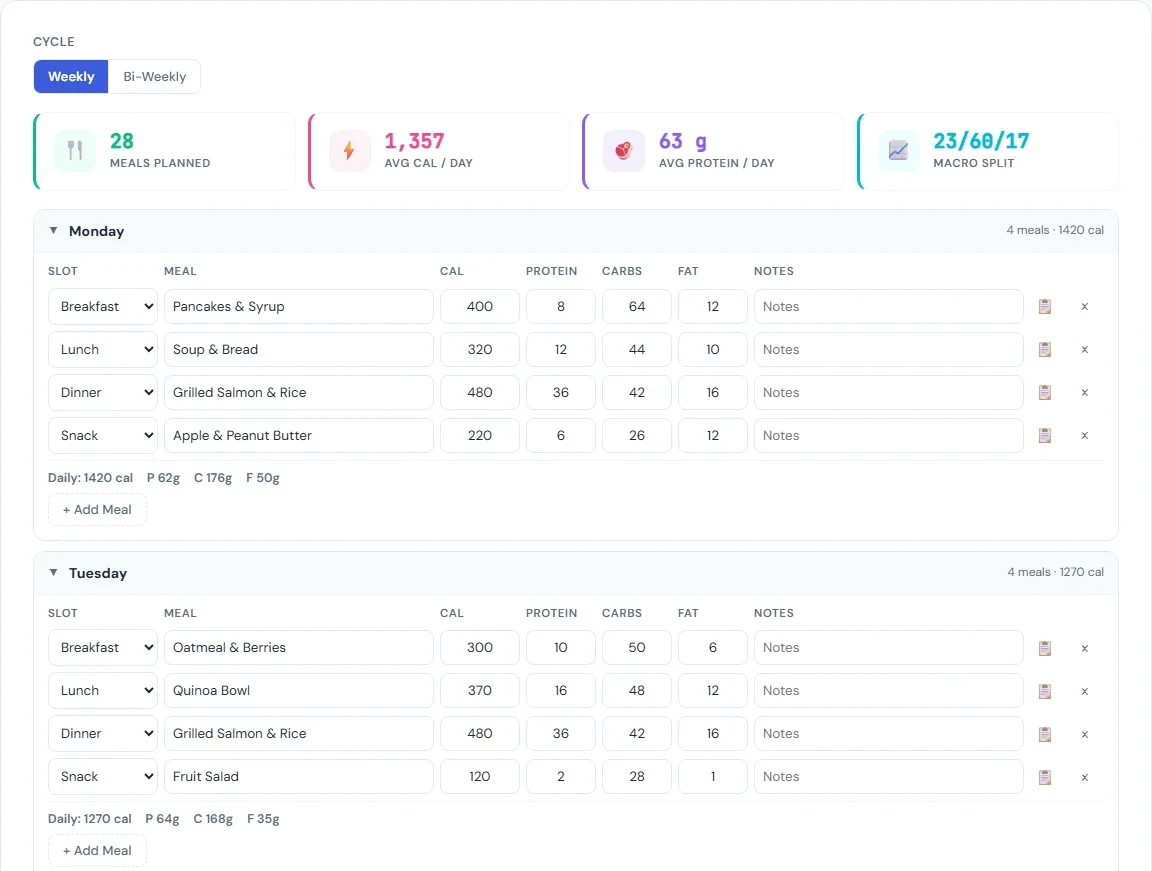 Try It Free →
Why Meal Planning Actually Works
The benefits of meal planning are not theoretical. They show up in your bank account, your grocery bags, and your stress levels within the first week.
You spend less money
The USDA estimates that American households waste 30–40% of the food they buy. That is $1,500 or more per year thrown in the trash. Most of that waste comes from buying ingredients without a plan — the bunch of cilantro that wilts before you use it, the chicken thighs that sit in the fridge until they expire. When you plan meals first and shop second, you buy what you need and nothing extra. Most families save $50 to $150 per month just by switching to a list-based grocery run.
Then there is the takeout factor. The average American household spends over $3,500 a year on food delivery and dining out. Meal planning does not eliminate restaurants entirely — nor should it — but it cuts the unplanned orders that happen because nobody felt like cooking and there was nothing ready to make.
You eat better without trying
When you are hungry and there is no plan, you default to whatever is fastest. Usually that is something processed, high-calorie, or delivered. When meals are planned, the healthy option is already the path of least resistance. You do not need willpower when dinner is already decided and the ingredients are already in the fridge.
You reclaim mental energy
Decision fatigue is real. By some estimates, the average adult makes 35,000 decisions per day. "What should we eat?" might seem like a small one, but it cascades: what recipe, do we have the ingredients, should we go to the store, who is cooking, how long will it take. Meal planning compresses all of those micro-decisions into one 15-minute session per week. The rest of the week, dinner is already handled.
The 15-Minute Meal Planning Method
Here is the system that works for most people, whether you are cooking for one or for a family of six.
Step 1: Check what you already have (2 minutes)
Open the fridge, freezer, and pantry. What proteins are on hand? What is about to expire? What staples are you low on? This is not a full inventory — just a quick scan to avoid buying duplicates and to use up what needs to be eaten first.
Step 2: Pick your meals (5 minutes)
Start with dinners. Choose 5 for the weekdays. Leave weekends flexible for leftovers, eating out, or cooking something spontaneous. Then pick breakfasts and lunches — these can repeat. Most people eat the same 2–3 breakfasts and lunches on rotation anyway, so lean into that instead of fighting it.
A few strategies that make this faster:
- Theme nights: Taco Tuesday, stir-fry Wednesday, pasta Thursday. Themes narrow the decision space without being rigid.
- Anchor meals: Keep 3–4 meals your household reliably likes and rotate them every other week. Only introduce 1–2 new recipes per week.
- Overlap ingredients: If you are buying chicken for Monday, plan another chicken dish for Wednesday. Buy one rotisserie chicken and use it in two different meals.
Step 3: Write the grocery list (5 minutes)
Go meal by meal and list what you need. Cross off anything you found in Step 1. Group items by store section (produce, dairy, meat, pantry) if your store layout is predictable. A grouped list cuts your shopping time significantly because you are not zigzagging across the store.
Step 4: Shop once (3 minutes of planning)
Pick one day to shop. For most people, Sunday works best. The point is to shop once for the week. Every unplanned trip to the grocery store adds an average of $20–30 in impulse purchases. One trip, one list, in and out.
Meal Planning on a Budget
Meal planning and budget-friendly eating go hand in hand, but a few specific tactics maximize the savings.
Build meals around cheap proteins
Chicken thighs, eggs, canned beans, lentils, ground turkey, and canned tuna are the workhorses of budget meal planning. A pound of dried lentils costs under $2 and makes enough protein for 4–6 servings. Eggs are still one of the cheapest complete proteins available at roughly $0.25–0.40 per egg.
Buy produce in season
Seasonal produce costs 30–50% less than out-of-season options, and it tastes better. In winter, lean on root vegetables, cabbage, and citrus. In summer, take advantage of cheap zucchini, tomatoes, and corn. Frozen vegetables are a legitimate year-round alternative — they are picked and frozen at peak ripeness and often more nutritious than "fresh" produce that has been sitting in transit for two weeks.
Use the same base ingredients differently
A batch of cooked rice becomes fried rice on Monday, a burrito bowl on Wednesday, and rice pudding for a weekend dessert. A whole chicken becomes roast chicken for dinner, chicken salad for lunch, and chicken stock from the carcass. This approach reduces waste and keeps your grocery list shorter.
Do not ignore the freezer
Cook double batches and freeze half. Soups, stews, chili, casseroles, and marinated proteins all freeze well. A freezer stash of home-cooked meals is your insurance policy against the nights when nobody wants to cook. It is the difference between reheating a $3 portion of homemade chili and ordering a $15 delivery.
Meal Planning for Families
Family meal planning adds a layer of complexity: different preferences, different schedules, and at least one person who insists they do not like anything green.
The build-your-own strategy
Instead of one rigid dish, plan a protein + starch + vegetables and let people assemble their own plate. Taco night becomes a taco bar. Stir-fry night lets the picky eater skip the broccoli. Pasta night offers different sauces. You cook once but everyone gets what they want.
Involve the household
Let each family member pick one dinner per week. Kids are more likely to eat something they chose. Partners are less likely to veto the plan if they had input. Write down 10–15 meals the whole family agrees on and rotate through them. This is your master list — the backbone of every weekly plan.
Batch the boring stuff
Nobody gets excited about cutting onions or cooking rice. Do it once on your prep day for the whole week. Pre-chop vegetables, cook grains in bulk, and portion out snacks. Even 30 minutes of prep on Sunday saves hours of scattered effort during the week.
Meal Planning vs Meal Prepping
These terms get used interchangeably, but they are different things:
- Meal planning = deciding what you will eat and buying the ingredients
- Meal prepping = cooking some or all of it in advance
You can meal plan without meal prepping. Planning alone eliminates the daily decision, reduces waste, and saves money. Prepping goes further by saving cooking time during the week, but it requires a larger block of time upfront (usually 1–3 hours on a weekend).
If you are new to this, start with planning only. Get comfortable deciding meals and shopping with a list. Once that is a habit, add light prepping: cook one grain, chop vegetables, marinate a protein. You do not need to spend your entire Sunday in the kitchen to get 80% of the benefit.
Common Mistakes to Avoid
Planning too many new recipes
Ambitious meal plans fail because they require too much effort. If every meal is a new recipe, you are spending more time cooking than you saved planning. Stick to mostly familiar meals and introduce one new recipe per week at most.
Ignoring your real schedule
Do not plan a 90-minute dinner on the night your kid has soccer practice. Match meal complexity to your actual schedule. Quick meals (under 20 minutes) on busy nights. Slow cooker or one-pot meals on days with more time. Leftovers or freezer meals on the nights where cooking is simply not happening.
Not accounting for leftovers
Most recipes make more than one serving. If you cook a pot of chili on Monday, you probably have enough for Tuesday's lunch. Plan for this intentionally. Cook once, eat twice is the most efficient approach to meal planning.
Making it too rigid
A meal plan is a guide, not a contract. If you planned chicken on Wednesday but feel like having Thursday's pasta instead, swap them. The ingredients are already in the house. Flexibility within the plan is what makes it sustainable long-term.
Frequently Asked Questions
How do I start meal planning if I've never done it before?
Start with dinners only. Pick 5 dinners for the weekdays, shop for those ingredients on Sunday, and let weekends be flexible. Once that feels easy, add lunches. Then breakfasts. Building the habit in stages is more sustainable than trying to plan 21 meals in your first week.
How much money does meal planning save?
The USDA estimates that Americans waste about 30–40% of the food they buy. Meal planning directly reduces this waste by ensuring you only buy what you need. Most families save $50 to $150 per month by planning meals and shopping with a list instead of improvising at the store.
What is the best day to meal plan?
Most people plan on Sunday because grocery stores are well-stocked and there is time to prep. But any consistent day works. The key is picking one day and making it a routine. Some people prefer Thursday evening so they can shop Friday after work and have the weekend to cook.
How do I meal plan for a family with picky eaters?
Use a build-your-own format. Instead of planning one rigid meal, plan a protein, a starch, and two vegetables. Taco night becomes a taco bar where everyone picks their own toppings. Stir-fry night lets picky eaters skip the vegetables they do not like. This approach keeps one cooking session but gives everyone choices.
Should I meal prep or just meal plan?
They are different things. Meal planning means deciding what you will eat and buying the ingredients. Meal prepping means cooking some or all of it in advance. You can meal plan without meal prepping. Planning alone saves money and eliminates the daily decision fatigue. Prepping saves additional time during the week but requires a larger upfront time investment.
BLIPP built SmarterSources to replace expensive subscriptions with free, private tools. Every tool runs in your browser — no sign-ups, no limits.